Basement flood cleanup in Winnetka, done right the first time
Fast extraction, structural drying, and mold prevention for Winnetka homes
When your basement takes on water, every hour counts. Our basement flood cleanup in Winnetka starts with a 60-minute emergency response, industrial water extraction, and calibrated drying that protects your foundation, framing, and stored belongings. We handle finished basements, crawl spaces, and utility rooms across California, working directly with your insurance adjuster so you can focus on your family, not the paperwork.
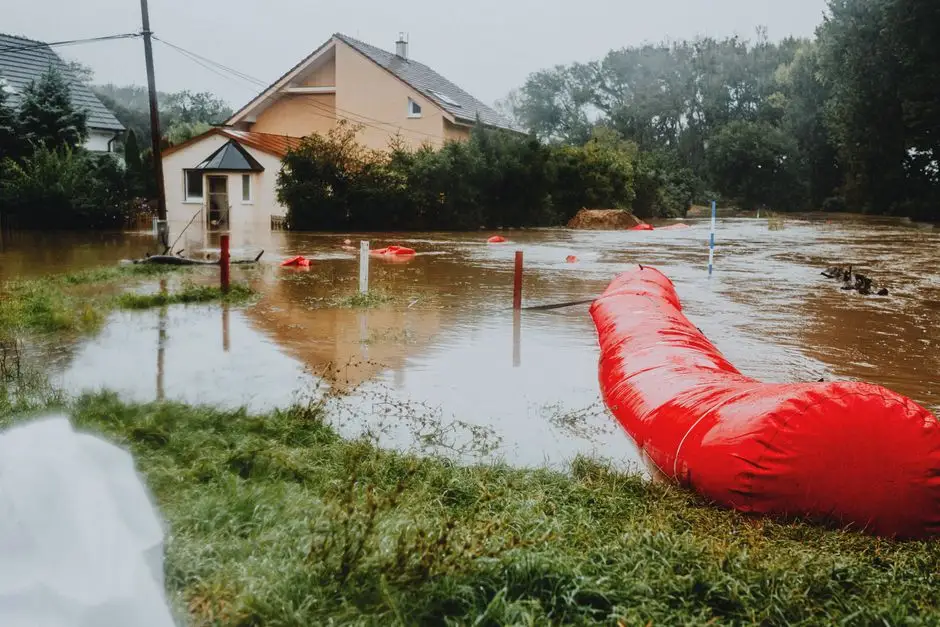
What basement flood cleanup in Winnetka actually involves
Basement flood cleanup in Winnetka is the process of removing standing water, extracting saturated materials, and drying the structure to prevent mold and long-term damage. It starts with a moisture survey using thermal imaging and pin meters, followed by truck-mounted extraction, negative air pressure, and commercial dehumidification. We pull baseboards, drill weep holes in block walls, and document every reading so your insurance claim has the evidence it needs.
Winnetka sits on clay-heavy soil and a high water table, so a single storm or a failed sump pump can push water through a basement slab in under an hour. Homes near the Green Bay Road Corridor and Hubbard Woods often have original 1920s drain tile that cracks under root pressure. If you have ever searched for emergency water cleanup near me after a spring storm, you already know how fast a finished basement can turn into a loss.
Why Winnetka homeowners call us first
A flooded basement is a race against mold, warped framing, and ruined mechanicals. Here is what our process protects.
Stop mold before 48 hours
Mold can colonize wet drywall in 24 to 48 hours. We apply EPA-registered antimicrobial to every affected surface and set HEPA air scrubbers within the first visit, cutting spore counts before they spread to your living space.
Save the structure, not just the water
Pumping water out is only step one. We dry wall cavities, floor joists, and concrete slabs to a verified 12 percent moisture content using desiccant dehumidifiers, so your framing does not rot from the inside out.
Protect your stored valuables
Boxes, holiday decorations, and family photos can often be saved if we reach them fast. Our technicians photograph, inventory, and freeze-dry water-damaged documents and textiles instead of tossing them into a dumpster.
Keep your claim on track
We document moisture readings, thermal images, and material conditions from the first hour. That file becomes the backbone of your insurance claim, which means fewer denied line items and faster reimbursement for extraction and drying.
Our basement flood cleanup process, step by step
Every job follows the same sequence, whether it is two inches of clean water or a sewage backup in a finished basement.
Emergency call and dispatch
You call (833) 321-7153 and speak to a live dispatcher, not a voicemail. We ask about water depth, source, and whether the power is safe, then roll a truck to your Winnetka address. Average arrival is 60 minutes or less, 24 hours a day.
Inspection and water mapping
A certified technician walks the basement with a thermal camera and pin-type moisture meter. We map the water migration path, identify the source, and photograph everything before a single pump is turned on. This takes 20 to 30 minutes and sets the drying plan.
Extraction and debris removal
Truck-mounted extraction units pull hundreds of gallons per minute from carpet, pad, and hard surfaces. We remove unsalvageable drywall, insulation, and flooring, then bag and haul debris so your basement is clear for drying equipment.
Structural drying and monitoring
We position LGR dehumidifiers, axial air movers, and HEPA scrubbers according to the IICRC S500 drying standard. Technicians return daily to log temperature, humidity, and moisture content until every reading hits the dry standard, usually three to five days.
Final verification and handoff
Before we pack up, we take final moisture readings and compare them to our day-one baseline. You get a written drying report, photos, and documentation for your insurer. If reconstruction is needed, we schedule it before we leave.
Why our basement flood cleanup in Winnetka stands apart
We are not a national franchise with a call center three states away. We are a local crew that knows Winnetka basements, Winnetka codes, and Winnetka insurance adjusters.
60-minute emergency response
Our trucks are staged around the North Shore, so we reach most Winnetka addresses within 60 minutes of your call. That speed matters when water is still rising and every minute of saturation increases mold risk.
IICRC-certified drying protocols
Every technician is trained to the IICRC S500 standard for water damage restoration. We document moisture content, psychrometric readings, and equipment placement so the drying is verifiable, not guesswork.
Direct insurance billing
We work with all major carriers and can bill your insurance directly for covered water extraction and structural drying. You get a detailed scope, photo documentation, and a single point of contact from emergency call to final invoice.
Mold prevention built in
We treat every wet cavity with antimicrobial and run HEPA filtration during the entire dry-down. If you have ever dealt with crawl space mold removal after a flood, you know that prevention costs far less than remediation.
What our basement flood cleanup includes
Every basement flood cleanup includes the core work needed to make your space safe and dry. We scope the job after the initial inspection, so you know exactly what is covered before we start. Add-ons like reconstruction, duct cleaning, or contents storage are quoted separately and only if you need them.
What's Included
Emergency water extraction
Truck-mounted and submersible pumps remove standing water from your basement floor, carpet, and crawl space. We extract the deep water first, then use weighted wands to pull water from carpet and pad before we remove saturated materials.
Moisture mapping and documentation
We use thermal imaging cameras and pin-type meters to map exactly where water traveled. Every reading is logged and photographed, giving you and your insurance adjuster a clear record of the damage before drying begins.
Antimicrobial application
After extraction, we apply EPA-registered antimicrobial to concrete, framing, and any remaining structural surfaces. This stops mold and bacteria from colonizing wet materials during the three to five days of drying that follow.
Structural drying with commercial equipment
We position LGR dehumidifiers, axial air movers, and HEPA air scrubbers according to the IICRC S500 standard. Equipment stays in place until moisture readings confirm the structure is dry, not just dry to the touch.
Debris removal and haul-away
We bag and remove unsalvageable drywall, insulation, carpet, and flooring. Your basement is left clear and ready for reconstruction, with debris hauled off-site rather than piled in your driveway.
Basement flood problems we solve in Winnetka
Most Winnetka basement floods trace back to a handful of causes. We diagnose the source, fix the damage, and help you prevent the next one.
Sump pump failure during a storm
Water rises fast and can reach the electrical panel or furnace within an hour, turning a wet floor into a safety hazard and a much larger repair bill.
We arrive with backup pumping equipment, extract the standing water, and dry the mechanical area first. We also check your sump pit and discharge line so you know whether the pump needs replacement before the next storm.
Cracked or clogged foundation drain tile
Water seeps through the cove joint and saturates the base of your basement walls, which leads to efflorescence, musty odors, and mold growth behind finished drywall.
We extract the water, dry the wall base, and treat the block or poured concrete with antimicrobial. If the drain tile is failing, we document the evidence and recommend a drainage contractor before you finish the basement again.
Sewage backup through a floor drain
Category 3 water contaminates everything it touches, including concrete and framing. Ignoring it risks bacterial illness and long-term odor that no amount of air freshener will fix.
Our sewage cleanup crews remove contaminated materials, disinfect every surface with EPA-registered products, and run HEPA filtration. We test the air before we finish and document the job for your insurance claim.
Hidden moisture behind finished walls
Drywall can feel dry on the surface while the paper backing and insulation stay wet for weeks, feeding mold that you only notice when the smell starts.
Thermal imaging finds the hidden moisture. We drill small weep holes, direct airflow into the cavity, and monitor until the framing reads dry. That approach saves the drywall in most cases instead of tearing it out.
When to call for basement flood cleanup
A spring storm dumps two inches of rain in an hour and your basement floor drain backs up.
We extract the standing water, sanitize the floor, and set drying equipment before the water wicks into your finished walls. We also check the drain line for root intrusion so the backup does not repeat next storm.
Your basement is dry in three to four days, and you have a documented cause for your insurance claim.
Your water heater fails overnight and you wake up to an inch of water in the utility room.
We shut off the supply, extract the water, and remove any saturated insulation or cardboard storage. The concrete and framing are dried with air movers and a dehumidifier, then treated with antimicrobial.
The utility room is dry in 48 to 72 hours, and your new water heater can be installed on a dry floor.
A toilet supply line bursts on the first floor and water runs through the ceiling into your basement.
We handle both levels: extract water from the bathroom and basement, open the ceiling to dry the joists, and treat the cavity for mold. We document the path of water for your adjuster.
The ceiling assembly is dried without a full tear-out, and the basement stays mold-free.
You return from vacation to find a musty smell and damp carpet in a basement that flooded days ago.
We test for mold, contain the affected area, and remove materials that stayed wet too long. The remaining structure is dried, treated, and verified with moisture readings before we finish.
The mold is removed, the air is clean, and you have a clear scope for any reconstruction.
Equipment and methods we use
Tools & Equipment
Truck-mounted water extraction unit
Pulls hundreds of gallons per minute from carpet and hard surfaces, which is the fastest way to remove standing water from a flooded basement.
Thermal imaging camera
Reveals hidden moisture behind walls, under floors, and inside ceiling assemblies without tearing anything open during the initial inspection.
Pin-type and pinless moisture meters
Measure moisture content in wood, drywall, and concrete so we can set a drying goal and verify when the structure is actually dry.
LGR dehumidifiers
Low-grain refrigerant units remove large volumes of water vapor from basement air, which is essential for drying dense materials like concrete and framing.
HEPA air scrubbers
Filter mold spores, dust, and debris from the air during demolition and drying, protecting your living space from cross-contamination.
Desiccant dehumidifiers
Used for deep drying in cool basements where refrigerant units lose efficiency, especially in stone foundations and crawl spaces.
EPA-registered antimicrobial
Applied to structural surfaces after extraction to stop mold and bacteria from growing during the multi-day drying period.
Methods
IICRC S500 water damage restoration standard
This is the industry standard for water damage restoration. It defines water categories, drying goals, and documentation requirements. We follow it on every basement flood cleanup so the work is verifiable and your insurance claim is defensible.
Psychrometric monitoring
We track temperature, relative humidity, and dew point daily to confirm the drying equipment is actually removing moisture. If the numbers stall, we adjust equipment placement rather than waiting and hoping.
Weep-hole drying for wall cavities
For saturated drywall and block walls, we drill small holes at the base and direct airflow into the cavity. This dries the framing and insulation without removing the entire wall, saving you money on reconstruction.
Negative air pressure containment
For sewage or mold jobs, we seal the work area and run HEPA-filtered negative air machines. This keeps contaminants from spreading into the rest of your home while we remove affected materials.
Moisture content verification
We compare final readings to a dry standard for each material, typically 12 percent for wood framing and lower for drywall. The job is not finished until the numbers confirm it, not when the floor feels dry.
How basement flood cleanup runs in Winnetka
Winnetka basements flood for specific local reasons. The soil here is clay-heavy, so storm water sheets off rather than soaking in, and it finds the path of least resistance into your foundation. Many homes near the Sheridan Road Area and Hubbard Woods were built in the 1920s with stone or block foundations and original drain tile that has cracked or filled with roots. Newer homes off the Willow Road Corridor often have sump pits and interior drain tile, but those systems fail when the power goes out during a storm. Winter adds a second risk: frozen pipes thaw and burst, sending water into basements while homeowners are away. We stage equipment around the North Shore so we can reach most Winnetka addresses within 60 minutes, day or night. If you need emergency water cleanup near me during a storm, call (833) 321-7153 and we will dispatch the closest crew.
Service Areas
Older homes with stone foundations and original drain tile are common here, so we often find seepage at the cove joint after heavy rain.
Large lots with mature trees mean root intrusion into drain lines, which causes backups that show up first in the basement floor drain.
A mix of commercial and residential buildings, with some basements shared with retail spaces, so we coordinate access and after-hours work.
Newer construction with sump pits and interior drain tile, where power outages during storms are the most common cause of basement flooding.
Homes close to the lake sometimes deal with a higher water table, which keeps basements damp long after a storm passes.
Local Considerations
Clay-heavy soil and a high water table
Water cannot drain away quickly, so basements stay wet longer and require more aggressive drying with desiccant dehumidifiers to reach the dry standard.
Freeze-thaw cycles in winter
Pipes in exterior walls and unheated basements are prone to bursting. We see a spike in emergency calls after the first hard freeze each year.
Aging drain tile in pre-1950 homes
Cracked or root-filled tile lets water seep in during every major storm. We document the evidence so homeowners can plan a permanent drainage fix.
Power outages during summer storms
Sump pumps stop running when the power fails, which is why we keep backup pumps on every truck and can start extraction even before the grid is restored.
Finished basement saved after sump failure
A Hubbard Woods homeowner woke up to three inches of water across a finished basement after a spring storm knocked out power. Carpet, pad, and the bottom two feet of drywall were saturated, and the furnace sat in standing water.
We extracted 180 gallons, removed the carpet and pad, and dried the drywall in place using weep holes and directed airflow. Moisture readings hit the dry standard in four days, and only the baseboards needed replacement.
Maintenance & Follow-up
We recommended a battery-backup sump pump and a yearly pit cleaning before storm season. The homeowner also added a water alarm near the floor drain.
A Downtown Winnetka homeowner found sewage backing up through the basement floor drain, covering about 200 square feet of concrete and a storage area. The smell had already reached the first floor.
Our crew removed contaminated materials, disinfected the concrete and framing with EPA-registered products, and ran HEPA scrubbers for three days. Post-job air testing confirmed no bacterial contamination remained.
Maintenance & Follow-up
We advised a backwater valve on the floor drain and annual drain cleaning to prevent the root intrusion that caused the backup.
A supply line burst behind a laundry wall in an Indian Hill home, soaking the drywall and framing in a finished basement room. The homeowner expected a full tear-out.
Thermal imaging found the moisture path, and we dried the cavity with weep holes and air injection. Final readings showed 11 percent moisture content in the framing, and the drywall was saved.
Maintenance & Follow-up
We suggested replacing the aging supply line with braided stainless and installing a water leak sensor behind the washer.
How much does basement flood cleanup in Winnetka cost?
Most basement flood cleanups in Winnetka run $1,200 to $4,500 depending on water category, square footage, and whether reconstruction is needed. Clean-water extraction in an unfinished basement sits at the low end. Sewage backups or finished basements with ruined drywall and flooring push toward the higher end. We provide a written scope before work begins and bill your insurance directly when the loss is covered.
How long does basement flood cleanup take?
Extraction and demolition usually take one day, and structural drying runs three to five days. A small utility-room flood can be dry in 72 hours. A finished basement with saturated drywall, carpet, and framing typically needs four to five days of monitored drying before we verify the moisture content is back to normal. We leave equipment in place until the readings confirm it is dry.
Can you save my finished basement after a flood?
Yes, in most cases we can save the structure and much of the finish. We remove only the materials that cannot be dried, like saturated carpet pad and swollen MDF baseboards. Drywall with less than 20 percent saturation can often be dried in place using weep holes and directed airflow. We photograph everything and make the save-versus-replace call based on moisture readings, not guesswork.
Do you handle sewage backups in Winnetka basements?
Yes. Sewage backups are Category 3 water, which means everything the water touches must be treated as contaminated. We remove affected porous materials, apply EPA-registered disinfectant, and use negative air pressure to keep contaminants out of your living space. Our sewage cleanup crews follow the same IICRC S500 protocols and document the job for your insurance claim.
Certifications and reviews
Certifications
Reviews
Fast, professional, and honest. They extracted the water from our basement, explained the drying process, and kept us updated every day. The final report made our insurance claim easy.
We had a sewage backup and they handled it with care. Full protective gear, thorough disinfection, and they tested the air before finishing. I felt safe letting my kids back in the basement.
They saved our finished basement after a pipe burst. Thermal camera found the hidden moisture, and they dried it without tearing out the walls. Saved us thousands in reconstruction.
Related Services
flood restoration services
When a storm overwhelms your sump pump or drain tile, our flood restoration services handle the full recovery, from emergency extraction to reconstruction. We coordinate every trade so your Winnetka basement goes from underwater to finished without you managing multiple contractors.
flood restoration servicesemergency water removal
Standing water in a basement damages concrete, framing, and mechanicals fast. Our emergency water removal crews arrive with truck-mounted pumps and extract hundreds of gallons per hour, then set drying equipment the same day to stop secondary damage.
emergency water removalmold remediation after water damage
If your basement sat wet for more than 48 hours, mold may already be growing behind baseboards and drywall. We test, contain, and remove affected materials, then treat the cavity with antimicrobial so the mold does not return after your cleanup.
mold remediation after water damagewater leak restoration
A pinhole leak in a supply line can dump 50 gallons a day into your basement wall cavity. Our water leak restoration service finds the source, repairs the damage, and dries the structure before warped flooring or rusted framing becomes a bigger bill.
water leak restorationemergency water cleanup
Not every flood needs full demolition. Our emergency water cleanup service handles smaller basement intrusions, like a failed water heater or a backed-up floor drain, with fast extraction, sanitizing, and targeted drying that gets you back to normal in days.
emergency water cleanupwater extraction
Water extraction is the first physical step of any basement flood cleanup. We use truck-mounted and portable units to pull water from carpet, concrete, and crawl spaces, then measure what is left so the drying plan matches the actual moisture load.
water extractionwater damage mitigation
Mitigation means stopping the damage from getting worse. We board, tarp, extract, and dry to limit how far water travels through your basement walls and floors, which keeps the eventual repair scope smaller and your insurance claim cleaner.
water damage mitigationtoilet overflow cleanup
A toilet overflow on an upper floor can send water through the ceiling into your basement. We handle both levels, extracting the water, removing contaminated materials, and drying the ceiling assembly so the joists do not rot between floors.
toilet overflow cleanupwater damage restoration near me
If you are searching for water damage restoration near me in Winnetka, our local crews are already in your neighborhood. We know the streets, the building stock, and the common failure points in North Shore basements, which means faster diagnosis and a faster dry-out.
water damage restoration near mewater cleanup services
Our water cleanup services cover everything from a wet carpet to a fully flooded basement. We extract, sanitize, deodorize, and dry, then verify the moisture content before we call the job complete. One crew handles the whole sequence.
water cleanup services24-hour water restoration near me
Basements flood at 2 a.m. as often as at noon. Our 24-hour water restoration near me line connects you to a live dispatcher who sends a crew immediately, so you are not waiting until morning while water wicks up your drywall.
24-hour water restoration near mewater extraction company
As a dedicated water extraction company, we invest in the equipment that moves water fast: truck-mounted pumps, weighted extraction wands, and submersible units for deep standing water. That hardware is why our average extraction time beats a general handyman crew.
water extraction companyrapid water extraction
Rapid water extraction is the difference between replacing a carpet and replacing a subfloor. Our crews begin pumping within minutes of arrival, targeting the deepest water first, then work outward to the saturated edges where water hides in wall cavities.
rapid water extractionkitchen water damage repair
A burst supply line under a kitchen sink can run down through the floor into your basement. We repair the kitchen water damage, dry the subfloor, and check the basement below for hidden moisture before it becomes a mold problem.
kitchen water damage repairceiling water damage repair
Water from an upstairs bathroom or roof leak often shows up as a stain on your basement ceiling. We open the ceiling, dry the joists and insulation, and repair the assembly so the structure above your basement stays sound.
ceiling water damage repairsewage cleanup
Sewage in a basement is a health hazard, not just a mess. Our sewage cleanup crews wear full PPE, remove contaminated materials, disinfect every surface, and test the air before we finish. We follow all California and local health requirements for Category 3 water.
sewage cleanupcrawl space mold removal
Crawl spaces under Winnetka homes stay damp long after a basement flood is dry. We remove mold growth from joists and insulation, treat the wood, and install vapor barriers to keep the crawl space dry through the next rainy season.
crawl space mold removalattic mold remediation
A roof leak or a burst pipe in the attic can drip down into your basement walls. Our attic mold remediation service removes growth, treats the framing, and corrects the ventilation that let moisture build up in the first place.
attic mold remediationwater damage remediation after fire
Firefighting water often does more damage than the fire itself, especially in basements where it pools and soaks into concrete. We handle water damage remediation after fire, extracting water, drying the structure, and removing smoke odor before reconstruction begins.
water damage remediation after fireNeed basement flood cleanup in Winnetka right now?
Standing water gets worse by the hour. Call (833) 321-7153 and a live dispatcher will send a certified crew to your Winnetka address, usually within 60 minutes. We extract, dry, and document the whole job for your insurance claim.