Water Damage Remediation After Fire in Winnetka
Fast, code-compliant drying and cleanup for fire-damaged homes
Water damage remediation after fire in Winnetka is the specialized cleanup that removes firefighting water, soot, and smoke residue before mold and structural rot set in. If a kitchen fire or chimney flare-up left standing water in your Hubbard Woods or Indian Hill home, our California-licensed team extracts it, dries the framing, and neutralizes odors. We respond 24/7 because the first 24 to 48 hours decide whether you replace drywall or just repaint it.
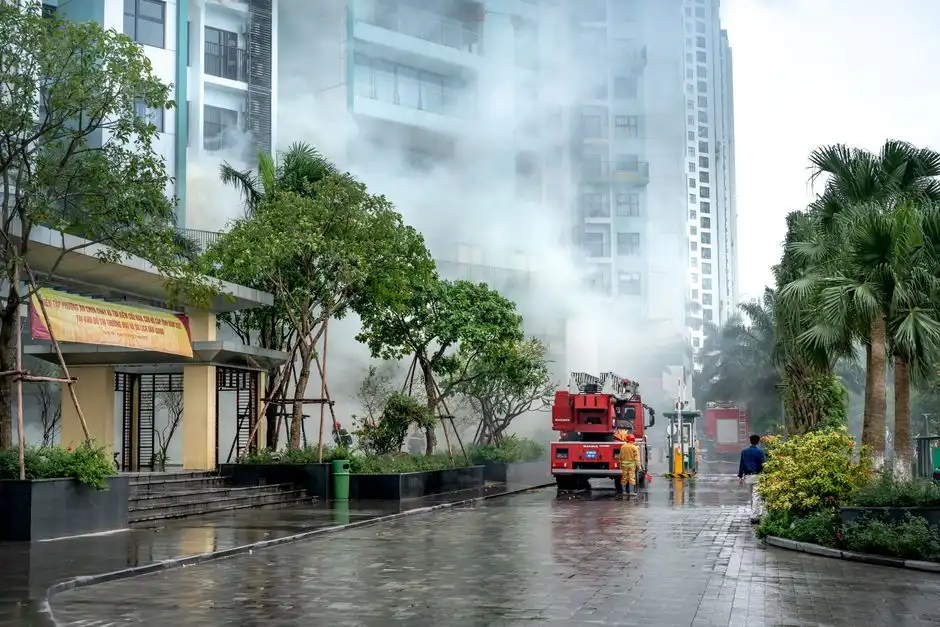
What Water Damage Remediation After Fire in Winnetka Involves
Water damage remediation after fire in Winnetka is the process of extracting firefighting water, drying saturated building materials, and removing smoke and soot residue that water has driven into walls, floors, and crawl spaces. When a fire is knocked down, the water used to extinguish it does not simply evaporate. It pools in subfloors, wicks up drywall, and soaks insulation. We use thermal imaging to map hidden moisture, then deploy extraction and drying equipment to pull that water out before secondary damage begins.
Winnetka's older housing stock makes this work more urgent than in newer cities. Many homes here were built between the 1920s and 1960s with plaster walls, original hardwood floors, and unsealed crawl spaces. Those materials absorb water slowly and release it even more slowly. A fire on a Sunday in The Village Center can leave a family displaced for weeks if the water is not extracted within 24 hours. We also treat smoke odor that reactivates when humidity rises, which is common along the Green Bay Road Corridor.
Why Prompt Fire Water Cleanup Matters
Fire damage is only half the emergency. The water left behind by hoses and sprinklers causes mold, warped floors, and electrical hazards within days. Here is what you gain when remediation starts immediately.
Stop Mold Before It Starts
Mold can begin colonizing wet drywall and insulation in as little as 24 to 48 hours. We extract standing water and run industrial dehumidifiers to bring framing below 16% moisture content. That window is the difference between a cleanup and a full reconstruction. In Winnetka's humid spring months, we often add extra air movers to compensate for ambient moisture.
Preserve Original Hardwood
Many Winnetka homes have original oak or maple floors that cup and buckle when water sits on them. Our drying mats and injection drying systems pull moisture from the wood without forcing a full tear-out. We have saved floors in homes near Maple Street District that were under an inch of water for six hours. Catching it early keeps the character of your home intact.
Eliminate Smoke Odor Permanently
Water activates soot particles and drives them deeper into porous materials. We use hydroxyl generators and thermal fogging to neutralize odor at the molecular level, not just mask it. Homes in East Winnetka with plaster walls often need two to three days of treatment because plaster holds odor longer than modern drywall. We test air quality before we call the job done.
Protect Your Electrical System
Firefighting water often enters wall cavities where wiring runs. We coordinate with licensed electricians to test circuits and identify compromised lines before power is restored. In 2026, California code requires that any water-exposed wiring be inspected and documented. Skipping this step risks a second fire or a failed insurance claim.
Our Remediation Process, Step by Step
Every fire water job follows the same disciplined sequence. You will know what is happening, who is in your home, and how long each phase takes.
Emergency Assessment
We arrive within 60 to 90 minutes of your call, 24 hours a day. A certified technician walks the property with a thermal camera and moisture meter, marking every wet zone. We photograph and document everything for your insurance claim. You get a written scope before any equipment is unloaded, so there are no surprises.
Water Extraction
Truck-mounted extraction units pull standing water from floors, carpets, and crawl spaces. For deep subfloor saturation, we use weighted extraction heads that force water up through the flooring. A typical 1,200-square-foot affected area takes two to four hours to extract. We haul away saturated debris and bag it for disposal.
Structural Drying
We place industrial air movers and refrigerant or desiccant dehumidifiers to dry the structure. Daily moisture readings track progress. Most Winnetka homes reach dry standard in three to five days, depending on wall thickness and outdoor humidity. You receive a daily log showing moisture content dropping toward the target.
Odor and Soot Neutralization
After the structure is dry, we treat affected surfaces with hydroxyl generators and thermal fogging to break down smoke odor. Porous materials like insulation and carpet padding are removed and replaced. We seal exposed framing with an odor-blocking primer. This phase usually takes one to two days.
Final Verification and Handoff
We take final moisture readings, confirm air quality, and photograph the completed work. You get a closeout packet with all documentation for your insurer. If reconstruction is needed, we walk you through the scope and schedule. We do not leave until you understand exactly what was done and why.
Four Years of Fire and Water Recovery in Winnetka
Water Damage Restoration Winnetka has been serving this community since 2022. In four years, we have completed hundreds of fire-related water jobs across Cook County's North Shore. Our technicians hold IICRC Water Restoration Technician (WRT) and Applied Structural Drying (ASD) certifications. We train on the latest drying science and follow the IICRC S500 standard for water damage restoration. Because we work in Winnetka daily, we know which neighborhoods have plaster walls, which crawl spaces flood first, and how to document a claim so your adjuster approves it without delays.
- IICRC-certified Water Restoration Technicians (WRT) on every crew
- Applied Structural Drying (ASD) specialists for complex crawl space and wall cavity drying
- Direct insurance billing and documentation that meets California claim standards
- Average on-site response time of 60 to 90 minutes across Winnetka
- Experience with 1920s plaster, original hardwood, and modern construction alike
Why Winnetka Homeowners Call Us After a Fire
Fire is traumatic. The last thing you need is a contractor who disappears or a bill that balloons. We built our reputation on showing up fast, explaining the work, and finishing what we start.
60-Minute Response Window
We answer the phone at 3 a.m. and have a crew at your door within 60 to 90 minutes. That speed matters because every hour of standing water increases the chance of mold and warped floors. Our trucks are staged along the Green Bay Road Corridor, so we reach most Winnetka addresses quickly.
Direct Insurance Billing
We document the loss with photos, moisture maps, and daily logs, then bill your insurer directly. You are not fronting thousands of dollars and waiting for reimbursement. We have worked with every major carrier that handles North Shore claims and know what adjusters need to see.
We Dry, We Do Not Just Extract
Some companies pull the water and leave. We stay until your structure meets dry standard, which we verify with calibrated meters. That is the difference between a home that smells clean in July and one that grows mold in October. Our drying logs prove the work was done.
Local Knowledge, Local Accountability
We live and work here. When we say we will be at your Indian Hill home by 2 p.m., we mean it. Our reputation in this community is built one job at a time. You can reach the owner directly if something is not right, and we will make it right.
What Is Included in Fire Water Remediation
Our standard scope covers everything from the first extraction to the final moisture reading. We document each step for your insurance claim. If your job needs reconstruction, we can handle that too, but we will tell you upfront what is part of the remediation and what is a separate phase.
What's Included
Emergency Water Extraction
We remove standing water from floors, carpets, and crawl spaces using truck-mounted and portable extractors. This happens within the first two to four hours on site. We also remove saturated debris and bag it for disposal.
Thermal Imaging and Moisture Mapping
We use infrared cameras and calibrated moisture meters to find hidden water behind walls and under floors. You receive a moisture map showing every affected area. This documentation is essential for your insurance claim.
Industrial Drying and Dehumidification
We place air movers and dehumidifiers to dry the structure to IICRC standards. Daily readings track progress. Most Winnetka homes dry in three to five days. We do not remove equipment until the structure meets dry standard.
Odor and Soot Neutralization
Hydroxyl generators and thermal fogging break down smoke odor at the molecular level. We treat wall cavities, flooring, and HVAC components. Porous materials that cannot be cleaned are removed and replaced.
Antimicrobial Treatment
After extraction and before drying, we apply EPA-registered antimicrobials to affected surfaces. This stops mold and bacteria from colonizing during the drying process. We treat framing, subfloors, and crawl spaces.
Insurance Documentation
We photograph every affected area, log daily moisture readings, and prepare a scope of work your adjuster can approve. We bill your carrier directly so you are not out of pocket. You receive a complete closeout packet at the end.
Problems We Solve After a Fire
Fire water damage is rarely just about the water. It is about the mold, the odor, the warped floors, and the insurance claim that can drag on for months. We solve all of it in one coordinated response.
Standing water in basement and crawl space
Water trapped in a crawl space can breed mold within 48 hours and weaken the foundation over time. It also creates a musty odor that spreads through the whole house.
We pump and extract standing water, then place desiccant dehumidifiers in the crawl space to dry it completely. We treat the area with antimicrobials and document the moisture readings for your claim. Most crawl spaces dry in three to four days.
Smoke odor that returns when humidity rises
Soot particles trapped in plaster and insulation reactivate every time it rains or the humidity climbs. The smell can linger for years and make the home hard to sell.
We use hydroxyl generators and thermal fogging to neutralize odor at the source, not just mask it. We seal exposed framing with an odor-blocking primer. For homes in East Winnetka with plaster walls, we often run treatment for two to three days.
Warped hardwood floors from firefighting water
Original oak and maple floors cup and buckle when water sits on them for more than a few hours. Once they dry unevenly, sanding and refinishing may not be enough.
We use drying mats and injection drying to pull moisture from the wood slowly and evenly. This saves most floors if we start within 24 hours. We monitor moisture content daily and adjust the drying plan until the wood stabilizes.
Insurance claim denied or underpaid
Adjusters need proof that the water damage is real and that the drying was necessary. Without documentation, they may deny the claim or pay only for extraction.
We photograph every affected area, log daily moisture readings, and provide a scope of work that meets California claim standards. We speak the adjuster's language and bill your carrier directly. Our documentation has helped homeowners recover thousands in denied claims.
When You Need Fire Water Remediation
A kitchen fire in a 1950s Winnetka home leaves water standing on hardwood and in the basement
We extract the standing water, place drying mats on the hardwood, and set up dehumidifiers in the basement. We also treat the kitchen walls for smoke odor and document everything for the insurance claim.
The hardwood is saved, the basement dries in four days, and the homeowner receives a full insurance payout without delays.
A chimney fire in Indian Hill sends water through the attic and down into a second-floor bedroom
We remove saturated insulation, extract water from the ceiling cavity, and dry the attic framing. We use hydroxyl generators to neutralize smoke odor in the bedroom and hallway.
The attic is dry in three days, the bedroom smells clean, and the homeowner avoids a full attic reconstruction.
A garage fire in West Winnetka melts a supply line, and water runs into the crawl space for hours before the fire is out
We pump the crawl space, extract water from the garage slab, and run desiccant dehumidifiers to dry the space. We treat the area with antimicrobials and seal the exposed framing.
The crawl space meets dry standard in four days, and the homeowner avoids mold remediation and foundation repair.
A basement fire in The Village Center is extinguished, but water sits under the vinyl flooring for two days
We pull up the vinyl, extract the water, and dry the concrete slab. We run air movers and dehumidifiers until the slab meets dry standard, then treat for odor and mold.
The basement is dry in three days, and the homeowner can install new flooring without worrying about hidden moisture.
Tools and Methods We Use
Tools & Equipment
Thermal Imaging Cameras (FLIR)
We use FLIR thermal cameras to see temperature differences behind walls and under floors, which reveals hidden water without tearing anything out. This saves time and keeps your home intact.
Truck-Mounted Water Extractors
These units pull hundreds of gallons of water per hour from carpets, hardwood, and concrete. They are the fastest way to remove standing water after a fire.
Desiccant Dehumidifiers
Desiccant units pull moisture from the air even in cool conditions, making them ideal for crawl spaces and basements. They dry the structure faster than refrigerant units in Winnetka's spring and fall.
Hydroxyl Generators
These machines produce hydroxyl radicals that break down smoke odor at the molecular level. They are safe to use in occupied spaces and reach into wall cavities where odor hides.
Moisture Meters (Delmhorst)
We use calibrated Delmhorst meters to measure moisture content in wood, drywall, and concrete. Daily readings prove the structure is drying and tell us when to remove equipment.
Weighted Extraction Heads
These heavy rollers force water up through carpet and padding, removing far more moisture than a standard wand. They are essential for deep subfloor saturation after a fire.
Methods
IICRC S500 Standard
We follow the IICRC S500 standard for professional water damage restoration. It defines the categories and classes of water loss and prescribes the drying goals we must hit. Following it ensures your home is dried correctly and your insurance claim is defensible.
Thermal Imaging Moisture Mapping
We scan every affected room with a thermal camera and mark wet zones on a floor plan. This map guides our extraction and drying plan. It also becomes part of your insurance documentation, proving the extent of the water damage.
Daily Moisture Monitoring
We take moisture readings every day and log them. If a wall is not drying fast enough, we adjust airflow or add equipment. This data tells us exactly when the structure is dry and safe to rebuild.
Hydroxyl and Thermal Fogging
We use hydroxyl generators for continuous odor treatment and thermal fogging for deep penetration into porous materials. This two-step approach neutralizes smoke odor rather than masking it. We verify air quality before we finish.
How Fire Water Remediation Runs in Winnetka
Winnetka's housing stock ranges from 1920s plaster-and-lath homes near the lake to 1960s ranches west of Green Bay Road. Plaster walls absorb water slowly and release it even more slowly, so drying here often takes a day or two longer than in newer suburbs. Our crews adjust by using more air movers and desiccant dehumidifiers, especially in spring and fall when outdoor humidity is high. We also know that many Winnetka basements have floor drains that back up when firefighting water overwhelms the system. If you are searching for water cleanup services after a fire, we handle the basement, the living space, and the crawl space in one job. We follow California building code requirements for moisture documentation, which your insurance adjuster will ask for. Most of our Winnetka jobs are in homes built before 1970, and we have learned exactly how those materials behave when they get wet.
Service Areas
Many homes here have finished basements with original tile and wood paneling. Firefighting water often wicks into the paneling, so we use injection drying to save it.
Large estate homes with complex rooflines mean water from upper floors can travel down through multiple ceilings. We map the entire path before we start drying.
Older commercial and residential buildings share walls. A fire in one unit can send water into a neighbor's space. We coordinate with adjacent owners to prevent cross-contamination.
Plaster walls are common here, and they hold smoke odor longer than drywall. We plan for two to three days of odor treatment after the structure is dry.
Crawl spaces are more common west of Green Bay Road. We use desiccant dehumidifiers and remote monitoring to dry them without needing daily access.
Local Considerations
High outdoor humidity in spring and fall
Drying takes longer because the air holds more moisture. We compensate by running additional desiccant dehumidifiers and extending the drying timeline by one to two days.
Older homes with plaster and lath walls
Plaster releases moisture slowly, so we use injection drying and more air movers. This prevents the walls from staying wet long enough to grow mold.
Basements with floor drains that can back up
Firefighting water can overwhelm the drain and flood the basement. We pump the water out first, then dry the slab and walls to prevent mold.
Freeze-thaw cycles in winter
Water in unheated crawl spaces can freeze and expand, cracking pipes and foundations. We use heated drying equipment and monitor temperatures to prevent secondary damage.
Kitchen Fire in Hubbard Woods
A grease fire was extinguished with a hose, leaving an inch of water on the kitchen floor and water running into the basement. The hardwood began cupping within hours, and the basement smelled of smoke.
We extracted 120 gallons of water, dried the hardwood with mats, and ran hydroxyl generators for two days. The hardwood returned to its original shape, and the basement passed a mold clearance test.
Maintenance & Follow-up
Keep the basement dehumidifier running for two weeks after we leave. Check under the sink monthly for leaks. We recommend a professional moisture check if you notice any musty odor.
A chimney fire sent water through the attic insulation and down into a second-floor bedroom. The ceiling was sagging, and smoke odor filled the upstairs hallway.
We removed 40 square feet of saturated insulation, dried the attic framing in three days, and neutralized the odor. The bedroom ceiling was repaired, and the homeowner avoided a full attic rebuild.
Maintenance & Follow-up
Have your chimney inspected annually before winter. Watch for water stains on the ceiling after heavy rain. If you smell smoke, call us for a quick air quality check.
A basement fire was put out quickly, but water sat under the vinyl flooring for two days. The concrete slab was wet, and mold had started to grow along the baseboards.
We removed the vinyl, extracted the water, and dried the slab to 12% moisture content in three days. We treated the baseboards with antimicrobials and passed a final mold test.
Maintenance & Follow-up
Run a dehumidifier in the basement during humid months. Keep storage items off the floor. Schedule a moisture check if you see any discoloration on the walls.
How much does water damage remediation after fire in Winnetka cost?
Most residential fire water remediation jobs in Winnetka run $2,800 to $8,500 in 2026, depending on square footage and how long the water sat. A small kitchen fire with contained water might be $2,800 to $4,200. A whole-house fire with water in the basement and crawl space can exceed $8,500. We provide a written scope before work begins and bill your insurance directly.
How long does fire water cleanup take in Winnetka?
Extraction takes two to four hours, and structural drying typically runs three to five days. Odor treatment adds one to two days. For a typical 1,500-square-foot home with water in two rooms, you are looking at four to six days total before reconstruction can start. Plaster walls and original hardwood, common in older Winnetka homes, can extend drying by a day or two.
Can I stay in my home during water damage remediation after fire?
You can often stay if the fire was contained to one room and the water did not reach your sleeping areas. We will tell you honestly on day one. If smoke odor is strong or if drying equipment blocks bedrooms, we help you find local lodging and document it for your insurance claim. Safety always comes first.
Does homeowners insurance cover water damage remediation after fire in Winnetka?
Yes, in almost every case. Firefighting water damage is covered under the same claim as the fire itself. We document the loss thoroughly, photograph every affected area, and bill your carrier directly. If your adjuster has questions, we speak their language and provide the moisture data they need to approve the full scope.
Certifications and Reviews
Certifications
Reviews
They responded in 45 minutes after our kitchen fire. The crew was professional, explained everything, and worked through the night. Our insurance adjuster said their documentation was the best he had seen. The final bill matched the estimate exactly.
I was worried about our original hardwood floors after a chimney fire sent water everywhere. They used drying mats and saved the floors. The smoke smell is completely gone. I would use them again without hesitation.
Honest and responsive. They told us exactly what needed to be done and what it would cost. No upselling. They handled the insurance claim and kept us informed daily. Our basement is dry and mold-free.
Related Services
flood restoration services
When firefighting water overwhelms your sump pump or a nearby creek backs up, our flood restoration services handle the combined mess. We treat the fire loss and the flood loss as one job, so you are not coordinating two contractors.
flood restoration servicesemergency water removal
Standing water after a fire needs to come out now. Our emergency water removal crews run truck-mounted extractors and are on call 24/7. We remove hundreds of gallons from basements, crawl spaces, and living areas before they cause secondary damage.
emergency water removalmold remediation after water damage
If fire water sat for more than 48 hours, mold may already be growing behind walls. Our mold remediation after water damage service includes containment, HEPA filtration, and safe removal of affected materials. We test before and after to confirm clearance.
mold remediation after water damagewater leak restoration
A fire can compromise supply lines and cause hidden leaks that continue after the flames are out. Our water leak restoration team finds those leaks with thermal imaging and repairs the damage before it spreads to adjacent rooms.
water leak restorationemergency water cleanup
Fire scenes are wet, dirty, and often contaminated with soot and chemicals. Our emergency water cleanup crews remove debris, extract water, and sanitize surfaces so your home is safe to enter and begin drying.
emergency water cleanupwater extraction
We use truck-mounted and portable extraction units to pull water from carpet, hardwood, and concrete. For fire scenes, we often extract multiple times as water migrates out of wall cavities during the drying process.
water extractionwater damage mitigation
Mitigation means stopping the damage from getting worse. After a fire, that means extracting water, blocking further moisture intrusion, and starting drying immediately. We document every step for your insurance claim.
water damage mitigationtoilet overflow cleanup
A fire can damage plumbing and cause a toilet overflow that adds contaminated water to the mess. We handle the cleanup with full PPE and antimicrobial treatment, then dry the area to prevent mold.
toilet overflow cleanupbasement flood cleanup
Basements in Winnetka often take on firefighting water through floor drains and window wells. Our basement flood cleanup service removes the water, dries the concrete and framing, and treats for odor and mold.
basement flood cleanupwater damage restoration near me
If you are searching for water damage restoration near me after a fire, we are the local crew that answers the phone at 2 a.m. We serve all of Winnetka and the surrounding North Shore communities.
water damage restoration near mewater cleanup services
Our water cleanup services cover extraction, drying, sanitizing, and deodorizing. After a fire, we combine all of these into one coordinated response so you are not managing multiple vendors.
water cleanup services24-hour water restoration near me
Fires do not wait for business hours, and neither do we. Our 24-hour water restoration near me line connects you to a live dispatcher who sends a crew immediately, day or night, including holidays.
24-hour water restoration near mewater extraction company
As a dedicated water extraction company, we own the equipment that pulls water fast. Truck-mounted units, weighted extraction heads, and submersible pumps handle everything from a wet carpet to a flooded crawl space.
water extraction companyrapid water extraction
Rapid water extraction is the first hour of our response. We start pulling water within minutes of arriving, because the longer it sits, the more damage it does. Speed is the single biggest factor in keeping your repair costs down.
rapid water extractionkitchen water damage repair
Kitchen fires are the most common source of fire water damage in Winnetka. Our kitchen water damage repair service addresses wet cabinets, subfloors, and the walls behind appliances, then dries the space so you can cook again.
kitchen water damage repairceiling water damage repair
Water from firefighting efforts often pools in ceilings and drips through light fixtures. Our ceiling water damage repair service opens the cavity, dries the framing, and repairs the drywall or plaster to a finished state.
ceiling water damage repairsewage cleanup
If a fire damages sewer lines, contaminated water can back up into your home. Our sewage cleanup crews use full containment and hospital-grade disinfectants to make the space safe before drying begins.
sewage cleanupcrawl space mold removal
Crawl spaces in older Winnetka homes trap moisture after a fire. Our crawl space mold removal service includes containment, HEPA vacuuming, and antimicrobial treatment, followed by drying and encapsulation if needed.
crawl space mold removalattic mold remediation
Firefighting water can travel up into attic insulation and rafters. Our attic mold remediation service removes saturated insulation, treats the wood, and restores airflow so mold does not return.
attic mold remediationGet Water Damage Remediation After Fire in Winnetka Now
Every hour of standing water raises your repair bill and your mold risk. Our IICRC-certified crews are on call 24/7 and reach most Winnetka addresses within 60 to 90 minutes. Call now and we will start extracting water today.