Crawl Space Mold Removal in Winnetka, California
We kill the mold, dry the joists, and stop the moisture for good
Crawl space mold removal in Winnetka is the process of containing, removing, and treating fungal growth under your home, then correcting the moisture source that caused it. We serve homeowners in Hubbard Woods, Indian Hill, and The Village Center whose vents, plumbing leaks, or heavy clay soil have pushed humidity past 60 percent. If you smell that wet-cardboard odor every time the furnace kicks on, call us at (833) 321-7153.
What Crawl Space Mold Removal in Winnetka Involves
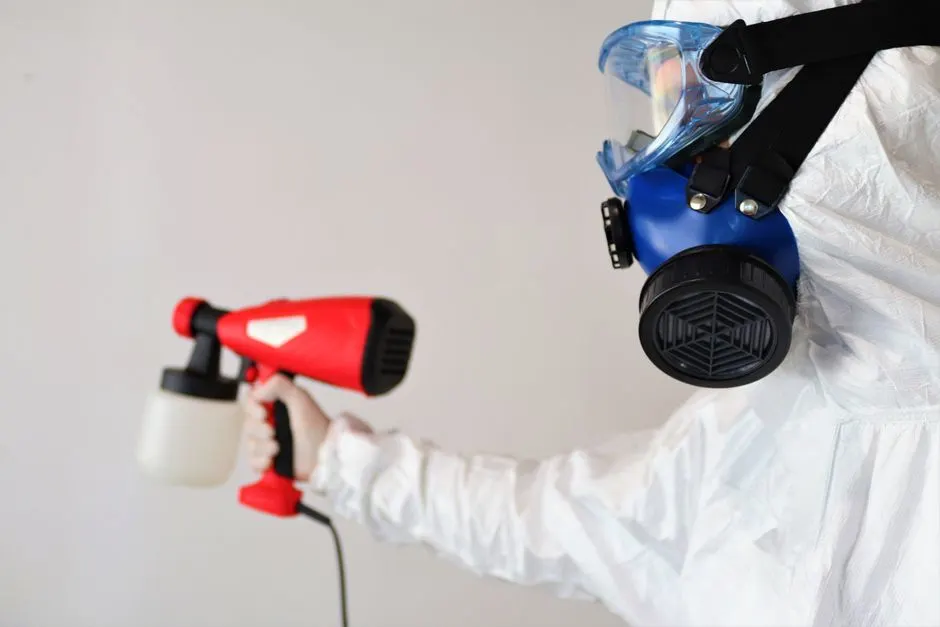
Crawl space mold removal in Winnetka starts with containment. We seal the access hatch, run a HEPA air scrubber at 500 CFM, and put on full-face respirators before anyone touches a joist. Mold spores go airborne the second you disturb them, so the goal is to capture them, not sweep them around. From there we bag affected insulation, wire-brush and HEPA-vacuum the wood, then apply an EPA-registered antimicrobial to every surface we can reach. The last step is always moisture correction, because mold without a water source is just dust.
Winnetka sits on heavy clay soil that drains slowly, and most homes here were built between 1920 and 1965 with vented crawl spaces and no vapor barrier. After a wet winter, relative humidity under those floors climbs to 75 or 80 percent and stays there through spring. That is why we see so much mold remediation after water damage in the Sheridan Road and Green Bay Road corridors. If you are searching for crawl space mold removal near me because the subfloor smells musty, the fix is containment, removal, and a sealed 6-mil vapor barrier, not bleach and a fan.
Why Winnetka Homeowners Remove Crawl Space Mold
Mold under your floor does not stay under your floor. It rides the stack effect into your living room every time warm air rises. Here is what proper removal actually buys you.
Healthier Indoor Air
Mold colonies release spores and microbial volatile compounds that trigger coughing, headaches, and asthma flare-ups. Once we remove the growth and run HEPA filtration, spore counts in the living space drop measurably. Most Winnetka customers tell us the musty smell is gone within 48 hours of final clearance.
Protect Structural Wood
Mold digests cellulose, which means every week it sits, it eats into your floor joists and subfloor. A joist that loses 10 percent of its cross-section may need sistering. Removing growth early keeps a $400 remediation from becoming a $6,000 structural repair.
Stop Repeat Water Damage
Mold is a symptom. We trace the moisture back to the source, whether that is a failed vapor barrier, a dripping supply line, or grade that slopes toward the foundation. Fix the source and you stop the cycle of water leak restoration calls every rainy season.
Protect Resale Value
California sellers must disclose known mold. A documented remediation with clearance photos and moisture readings keeps a Winnetka bungalow or Tudor from losing $10,000 to $25,000 in buyer concessions. Our documentation package is built for exactly that conversation.
Our Crawl Space Mold Removal Process
Every job follows the same five stages, whether it is a 400-square-foot crawl space in East Winnetka or a 1,200-square-foot one near Tower Road. Here is what you will see us do.
Inspection and Testing
We crawl the full space, map every moisture reading with a pin-type meter, and take air samples for lab analysis. You get photos of each affected area and a written scope the same day. Most inspections take 45 to 90 minutes depending on access.
Containment Setup
We seal the access hatch and any penetrations, then place a HEPA air scrubber rated at 500 CFM to create negative pressure. This keeps spores from drifting into your kitchen while we work. Setup takes about 30 minutes.
Physical Removal
Affected insulation gets bagged and hauled out. We wire-brush and HEPA-vacuum joists, sills, and subfloor, then apply an EPA-registered antimicrobial. A typical 800-square-foot crawl space takes one to two days.
Drying and Dehumidification
We set LGR dehumidifiers and axial air movers to pull wood moisture content below 16 percent. This stage runs 24 to 72 hours, and we check readings daily. You will hear the equipment, but you do not need to be home.
Clearance and Prevention
We install a sealed 6-mil vapor barrier, verify with a final moisture and air sample, and hand you a clearance report with photos. Most customers get that report within 24 hours of the last reading.
Why Choose Our Crawl Space Mold Removal in Winnetka
Plenty of companies will spray something and hand you a bill. We test, remove, dry, and document, then fix the moisture source so the mold does not come back next spring.
Same-Day Inspections
Call before 2 p.m. and we will inspect your crawl space the same day in most of Winnetka. You get moisture readings, photos, and a written scope before we start any work. No pressure, no surprise line items.
IICRC-Trained Technicians
Our crew trains to the IICRC S520 mold standard and S500 water damage standard. That means containment, HEPA filtration, and antimicrobial application follow a documented protocol, not a guess. We also carry EPA-registered products only.
We Fix the Water Source
Removing mold without fixing moisture is a waste of money. We handle water leak restoration, vapor barrier installation, and grading corrections as part of the same job, so the crawl space stays dry after we leave.
Documented for Insurance
We photograph every affected area, log moisture readings before and after, and provide a clearance report. If your insurer covers the loss, that package is what they need. If you are selling, it is what your buyer's inspector wants to see.
What Our Crawl Space Mold Removal Includes
Every crawl space mold removal in Winnetka starts with a full inspection and air sampling, then moves through containment, physical removal, antimicrobial treatment, and drying. We finish with a sealed vapor barrier and a clearance report. If we find a plumbing leak or failed grade, we quote that separately so you can decide. Here is what is standard on every job.
What's Included
Full Crawl Space Inspection
We crawl the entire space, take pin-type moisture readings at every joist and sill, and collect air samples for lab analysis. You get photos of each affected area and a written scope the same day.
HEPA Containment and Filtration
We seal the access hatch and run a 500 CFM HEPA air scrubber under negative pressure. This keeps spores out of your living space while we work and is standard on every job, not an upgrade.
Mold Removal and Antimicrobial
Affected insulation gets bagged and removed. We wire-brush and HEPA-vacuum the framing, then apply an EPA-registered antimicrobial to every reachable surface. This is the core of the service.
Structural Drying
LGR dehumidifiers and axial air movers run until wood moisture content drops below 16 percent. We check readings daily and give you the log. Skipping this step is why mold comes back.
Vapor Barrier Installation
We install a sealed 6-mil vapor barrier across the crawl space floor and up the foundation walls. This blocks the ground moisture that feeds mold in Winnetka's clay soil.
Clearance Report and Photos
You get a final moisture log, air sample results, and before-and-after photos in one document. It is built for insurance claims and real estate disclosures.
Crawl Space Problems We Solve in Winnetka
Most crawl space mold calls start with a smell, a stain, or an inspector's report. Here are the four problems we see most often in Winnetka homes and how we handle each one.
Musty odor rising into the living room
That smell is mold spores and microbial compounds riding the stack effect into your home. It gets worse in spring and can trigger allergies and headaches for everyone in the house.
We locate the growth with moisture mapping and air sampling, contain the space, and remove the mold at the source. Once the colony is gone and the wood is dry, the odor stops. Most customers notice the difference within two days.
Torn or missing vapor barrier
Without a barrier, ground moisture wicks straight into the joists. In Winnetka's clay soil, that keeps crawl space humidity above 70 percent for months and feeds new mold growth every year.
We install a sealed 6-mil vapor barrier across the floor and up the walls, overlapping and taped at every seam. Combined with drying, this drops humidity enough that mold cannot re-establish. It is the single highest-value fix for this climate.
Slow plumbing leak soaking the subfloor
A drip under a bath or kitchen can run for months before you notice. By then the joists are saturated, mold has colonized, and the wood may be softening. Left alone, it becomes a structural repair.
We handle the water leak restoration and the mold removal in one scope. The leak gets fixed, the framing gets dried to below 16 percent, and the growth is removed and treated. One crew, one invoice, no finger-pointing.
Mold flagged during a home inspection
A mold finding can stall a sale or cost you thousands in buyer credits. Without documentation, the buyer has no reason to believe the problem was fixed properly.
We inspect fast, provide a written scope and photo documentation for your realtor, and complete remediation on a schedule that fits your closing. The clearance report gives the buyer's inspector something concrete to review.
When Winnetka Homeowners Call Us
A 1920s bungalow near Maple Street has smelled musty every spring for three years, and the furnace now pushes that smell through the house.
We inspect the crawl space, find mold across the joists and a disintegrated vapor barrier, contain the space, remove the growth, dry the framing, and install a new sealed barrier.
The odor is gone within 48 hours of clearance, and the new barrier keeps spring humidity from feeding new growth.
A supply line under the guest bath in Indian Hill let go overnight and soaked the subfloor and insulation before anyone noticed.
We extract the standing water, dry the framing, remove the wet insulation, and treat the mold that started on the joists. The plumbing repair is coordinated in the same visit.
Wood moisture reads below 16 percent in three days, and the crawl space passes a final air sample with no active growth.
A seller in East Winnetka gets a buyer's inspection report flagging mold in the crawl space two weeks before closing.
We inspect the next morning, deliver a written scope and photos to the realtor, and complete remediation in three days with a full clearance report.
The buyer's inspector signs off, the sale closes on schedule, and the seller avoids a five-figure credit at closing.
A homeowner near the Sheridan Road Area finds black staining on the subfloor after a wet winter and wants to know if it is mold or just dirt.
We take air samples and surface samples for lab analysis, confirm the growth, then contain and remove it. If it turns out to be staining only, we tell you that and skip the remediation.
You get a lab-backed answer either way, plus moisture readings that show whether the space needs a vapor barrier.
Tools and Methods We Use
Tools & Equipment
HEPA Air Scrubber (500 CFM)
Creates negative pressure in the crawl space and filters spores down to 0.3 microns. This is what keeps mold out of your living space during removal.
Pin-Type Moisture Meter
Measures moisture content inside joists and subfloor. We use it to map the affected area and to confirm wood is below 16 percent before we pull equipment.
LGR Dehumidifier
Low-grain refrigerant units pull large volumes of water from crawl space air. They run 24 to 72 hours during the drying stage.
Axial Air Mover
Directs airflow across joists and sills to speed evaporation. Placement matters more than the number of units, so we map airflow before we set them.
EPA-Registered Antimicrobial
Applied to framing after physical removal to kill residual spores and inhibit regrowth. We use registered products only, never bleach.
6-Mil Vapor Barrier
Sealed across the crawl space floor and up the walls to block ground moisture. This is the long-term fix for Winnetka's clay soil.
Thermal Imaging Camera
Finds hidden moisture behind insulation and around plumbing penetrations that a meter alone can miss.
Methods
IICRC S520 Mold Remediation Standard
This is the industry protocol for containment, removal, and clearance. It defines how we seal the space, how we filter air, and what counts as a passing clearance. Following it is what makes our documentation credible to insurers and inspectors.
IICRC S500 Water Damage Standard
The S500 governs drying and defines when wood is dry enough to stop. We use its moisture-content thresholds, below 16 percent for framing, to decide when equipment comes out. It is the same standard insurers reference.
Negative Pressure Containment
We seal the access hatch and run the scrubber so air flows into the crawl space, not out of it. This is the single most important step for keeping spores out of your home during removal.
Moisture Mapping and Daily Logging
We record pin-type readings at every joist before, during, and after drying. The log proves the space actually dried and gives you a record if anyone questions the work later.
Source Correction
Mold removal without fixing moisture is temporary. We address the vapor barrier, the plumbing leak, or the grading that caused the problem, so the crawl space stays dry after we leave.
How Crawl Space Mold Removal Runs in Winnetka
Winnetka's crawl space problems are shaped by its housing stock and its soil. Most homes here were built between 1920 and 1965 with vented foundations, no vapor barrier, and clay soil underneath that drains slowly. After a wet winter, relative humidity in those crawl spaces climbs to 75 or 80 percent and stays there through spring, which is peak season for us. We also get calls after summer storms and appliance failures, but the bulk of our crawl space mold removal in Winnetka happens between January and May. Local code and lender requirements matter too: a documented clearance report with moisture readings and photos is what insurers and real estate inspectors want to see, and we build that package on every job. If you are searching for crawl space mold removal near me in the Green Bay Road or Sheridan Road corridors, we know the older Tudor and bungalow foundations here and how they vent, which speeds up the inspection and the fix.
Service Areas
Largely 1920s to 1940s homes with vented crawl spaces and original vapor barriers that have often failed. Spring humidity here runs high.
Larger homes with multiple crawl space zones and more plumbing penetrations, which means more places for a slow leak to start.
A mix of bungalows and post-war ranches on clay soil. We see a lot of missing vapor barriers and musty subfloors here.
Older commercial-adjacent housing with tight crawl space access. Our compact containment gear is built for these hatches.
Post-war ranches with shallow crawl spaces and frequent sump or drainage issues after heavy rain.
Local Considerations
Heavy clay soil that drains slowly
Ground moisture stays high for weeks after rain, which keeps crawl space humidity above 70 percent and feeds mold growth. A sealed vapor barrier is the fix.
Vented crawl spaces in pre-1965 homes
Vents let humid outside air in during spring. We assess whether to seal or modify vents as part of the moisture correction.
Wet winters and humid springs
January through May is our busiest stretch. Humidity peaks right when mold is most active, so we schedule inspections fast during those months.
Aging plumbing in older homes
Galvanized and early copper lines develop pinhole leaks that drip for months. We check every penetration during the inspection.
Hubbard Woods Bungalow Subfloor
A 1940s bungalow had visible mold across roughly 60 percent of the joists, a torn vapor barrier, and a musty smell that filled the first floor every spring. Moisture readings ran 22 to 28 percent.
After containment, removal, and antimicrobial treatment, we installed a sealed 6-mil barrier and dried the framing to 12 to 14 percent. Final air samples showed no active growth and the odor was gone.
Maintenance & Follow-up
Keep the new barrier sealed and check it each fall. Run a dehumidifier in the crawl space during wet months if humidity climbs above 60 percent.
A slow supply line leak under a guest bath had soaked the subfloor and insulation for months. Mold had colonized the joists and the wood was soft in two spots near the leak.
We fixed the leak, removed the wet insulation, treated the growth, and dried the framing below 16 percent in three days. The soft joists were sistered and the space passed clearance.
Maintenance & Follow-up
Check under-sink and bath supply lines twice a year. A $2 fitting replaced early prevents a repeat of this job.
A buyer's inspector flagged mold in the crawl space two weeks before closing. The seller had no documentation and the buyer was asking for a $12,000 credit.
We inspected the next morning and completed remediation in three days. The clearance report with photos and moisture logs went to both realtors, and the sale closed on schedule with no credit.
Maintenance & Follow-up
Keep the clearance report with your home records. Re-inspect the crawl space annually or after any plumbing work.
How much does crawl space mold removal in Winnetka cost?
Most Winnetka crawl space mold jobs run $1,200 to $4,800 in 2026, depending on square footage and how far the growth spread. A small 400-square-foot space with light surface mold sits near the low end. A 1,200-square-foot crawl space with saturated joists, ruined insulation, and a new vapor barrier lands near the top. We give you a written scope after the inspection so you know the number before we start.
How long does crawl space mold removal take?
A typical Winnetka crawl space takes two to four days from containment to clearance. Removal itself is usually one to two days. Drying runs another 24 to 72 hours depending on how wet the joists are. We check moisture daily and do not pull equipment until wood reads below 16 percent.
Can I stay in my house during mold remediation?
Yes, in most cases you can stay home. We seal the crawl space access and run HEPA scrubbers under negative pressure, so spores stay contained. If the growth is heavy or someone in the house has asthma or a compromised immune system, we may suggest staying elsewhere for the removal day. We will tell you honestly at the inspection.
What causes mold in a Winnetka crawl space?
Three things cause most of it here: heavy clay soil that holds winter moisture, missing or torn vapor barriers in older homes, and small plumbing leaks that drip for months unnoticed. Winnetka's humid springs push crawl space humidity past 70 percent, which is all mold needs. We fix the source, not just the growth, so it does not return.
Credentials and Reviews
Certifications
Reviews
Found mold across most of our crawl space joists and a vapor barrier that had basically disintegrated. They contained it, removed the growth, and installed a new barrier. Two days later the smell was gone. They showed me moisture readings before and after, which sold me on the work.
A slow leak under the bath had been feeding mold for months. They handled the water leak restoration and the mold removal in one job and dried everything below 16 percent. Clearance report came the next day. Fair price and no runaround.
We were selling and the buyer's inspector flagged mold. They inspected the next morning and had a written scope and photos to my realtor that afternoon. Remediation took three days and the deal closed on schedule. That documentation saved us a big credit at closing.
Called about a musty smell in the hallway. They found black staining on the subfloor, took samples, and confirmed it was mold. Contained the space, removed it, and dried the wood. Professional from start to finish and they explained every step.
Related Services
flood restoration services
When a storm or burst pipe floods your crawl space, standing water has to go before mold removal can start. We pump, extract, and dry, then treat any growth the flood left behind.
flood restoration servicesemergency water removal
A supply line that lets go at 2 a.m. can put two inches of water under your floor by morning. We extract it fast, because mold can colonize wet wood in 24 to 48 hours.
emergency water removalmold remediation after water damage
This is the umbrella service that covers what we do here. Crawl space mold removal is the subfloor-specific piece, and we handle both under one scope.
mold remediation after water damagewater leak restoration
A slow drip under the kitchen or bath is the number one cause of Winnetka crawl space mold. We find the leak, fix it, and dry the framing it soaked.
water leak restorationemergency water cleanup
Sewage backups and appliance failures need immediate cleanup. We remove contaminated water, sanitize, and check the crawl space for mold growth afterward.
emergency water cleanupwater extraction
Truck-mounted and portable extraction units pull hundreds of gallons from flooded crawl spaces. Fast extraction is the cheapest way to prevent a mold job.
water extractionwater damage mitigation
Mitigation means stopping the damage from spreading. In a crawl space, that is containment, drying, and blocking moisture from wicking into the subfloor.
water damage mitigationtoilet overflow cleanup
A toilet overflow can run through the floor into the crawl space. We clean the mess, dry the framing, and treat any mold that starts on the joists.
toilet overflow cleanupbasement flood cleanup
Basement and crawl space flooding often share a cause: poor drainage or a failed sump. We clean up the water and address the mold in both spaces.
basement flood cleanupwater damage restoration near me
If you are searching this because the subfloor smells musty, we are the local crew that handles the crawl space side of it. Same-day inspections across Winnetka.
water damage restoration near mewater cleanup services
General water cleanup covers extraction, drying, and sanitizing. When the water reached the crawl space, we add mold inspection to the same visit.
water cleanup services24-hour water restoration near me
Water does not wait for business hours. We answer around the clock and can start extraction the same night, which limits how much mold gets a chance to grow.
24-hour water restoration near mewater extraction company
As a dedicated extraction company, we own the pumps, dehumidifiers, and air movers. That means no rental delays between the flood and the dry-out.
water extraction companyrapid water extraction
Rapid extraction is measured in hours, not days. The faster standing water leaves your crawl space, the smaller the mold remediation bill at the end.
rapid water extractionkitchen water damage repair
Kitchen leaks often travel down through the floor into the crawl space. We repair the damage upstairs and treat the mold that started below.
kitchen water damage repairceiling water damage repair
A ceiling stain usually means water traveled from above. We trace it, dry the structure, and check the crawl space for the moisture it left behind.
ceiling water damage repairsewage cleanup
Category 3 water carries bacteria and needs full sanitizing. If it reached the crawl space, we clean it and treat any mold growth that follows.
sewage cleanupattic mold remediation
Attic and crawl space mold often share a cause: poor ventilation and roof or plumbing leaks. We handle both spaces with the same containment protocol.
attic mold remediationwater damage remediation after fire
Firefighting water soaks insulation and framing, and crawl spaces are where it pools. We dry the structure and remove mold before it spreads.
water damage remediation after fireGet Crawl Space Mold Removal in Winnetka Today
Mold spreads while you wait, and every week it sits means more wood damage. Call (833) 321-7153 for a same-day inspection with moisture readings, photos, and a written scope. We are IICRC-trained and we fix the water source, not just the growth.