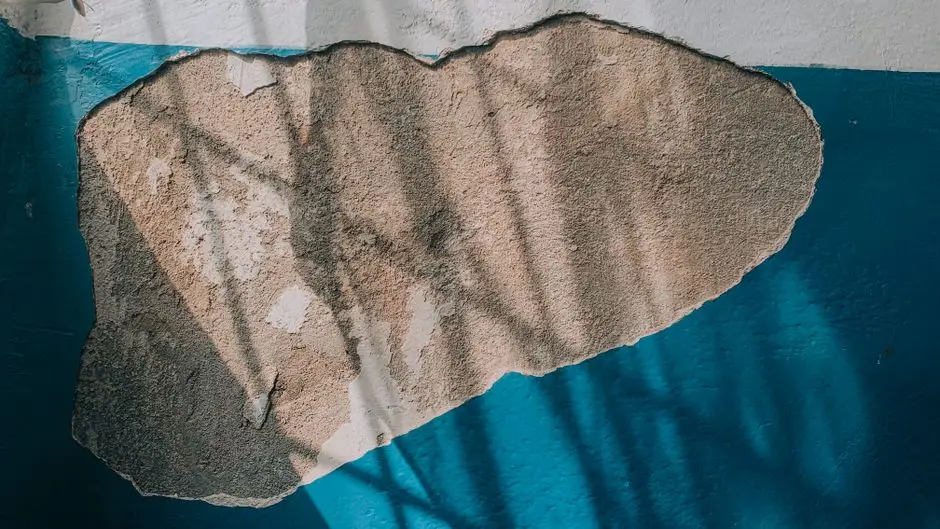
The first sign of hidden water damage behind walls in your Winnetka home is usually a musty smell that has no obvious source. The second is paint or drywall that feels soft, bubbly, or cool to the touch. If you notice either, you likely have a slow leak feeding moisture into the wall cavity right now. This post covers the full list of warning signs, how to check for them without tearing your house apart, and when it is time to bring in a professional.
Why Hidden Water Damage Is So Common in Winnetka Homes
Winnetka's housing stock is old. Most homes were built between 1920 and 1970, which means the supply lines, drain pipes, and roofing underlayments have had decades to corrode, shift, and fail. The original galvanized steel pipes in many of these houses are now past their expected lifespan and pinhole leaks are common. Add in our clay soil, which expands and contracts with every wet winter and dry summer, and you get a recipe for slab leaks and foundation movement that pinches pipes.
We also see a lot of flat and low-slope roofs in the area. When a roof drain or flashing fails during a storm, water does not always show up as a ceiling stain right away. It travels along joists and insulation, pooling inside wall cavities for weeks before you notice anything. By then, mold has already started to colonize the paper facing on your drywall.
If you have ever dealt with a slab leak, you know how disruptive it can be. But even a tiny pinhole leak behind a kitchen wall can soak insulation and framing for months without a visible drip. That is why we always tell homeowners to trust their nose and their hands as much as their eyes. For a full range of Water Damage Restoration services, we handle everything from leak detection to full structural drying.
The First Signs You Will Notice
Hidden water damage behind walls almost always announces itself through your senses before you see a single water stain. The most common early clues are a persistent musty odor, a feeling of dampness or coolness when you touch a wall, and paint that bubbles or peels for no reason. Here is what to watch for, in the order most homeowners notice them.
- Musty, earthy smell in a room with no obvious source. It gets stronger when the heat or AC runs because the system pulls air through the wall cavity.
- Paint or wallpaper that bubbles, cracks, or peels even though the surface was painted recently. Moisture is pushing from behind.
- Drywall that feels soft, spongy, or cool compared to surrounding walls. Press gently with your palm; you will feel the difference.
- Baseboards that separate from the wall or show dark, discolored caulk lines. Water wicks up from the bottom plate.
- A faint sound of dripping or running water when no fixtures are on. That is a leak inside the wall.
One of these alone might be nothing. Two or more together almost always mean a hidden leak. We have walked into hundreds of Winnetka homes where the homeowner thought the smell was just "old house odor" and found active mold growth behind the drywall. If you are in Water Damage Restoration in Downtown Winnetka, where many of these older homes cluster, we can be on site the same day to confirm what is going on.
What Hidden Water Damage Behind Walls Looks Like
When we open up a wall that has been leaking, the damage is rarely just wet drywall. Water spreads through insulation, framing, and subfloor, and it carries minerals and organic matter that feed mold. Here is what we typically find.
Inside the wall cavity
The paper facing on drywall turns dark brown or black. Fiberglass insulation compresses and stays wet for weeks. Wood framing swells, softens, and sometimes grows white or black mold. If the leak has been going for more than a month, you will often see actual water droplets clinging to the back of the drywall.
At the base of the wall
Water pools on the bottom plate and wicks up into the drywall. The baseboard swells and pulls away from the wall. In severe cases, the subfloor under carpet or tile feels spongy when you step on it. That is a sign the leak has been active for a long time.
In adjacent rooms
Water travels along joists and studs. A leak in a bathroom wall can show up as a stain on the ceiling of the room below, or as peeling paint on the opposite side of the wall. We once traced a leak from a second-floor laundry room to a first-floor closet on the other side of the house.
If you see any of these signs, do not wait. Mold can start growing within 24 to 48 hours of a leak starting, and it only gets worse. Our water leak restoration in Winnetka team uses thermal imaging and moisture meters to find the source without unnecessary demolition.
How to Check for Hidden Water Damage Yourself
You do not need to tear open walls to get a good idea of what is happening. A few simple tools and a methodical walk-through will tell you a lot. Grab a flashlight, a screwdriver, and your nose.
- Do the smell test. Walk through each room and note any musty or earthy odors. Pay attention to closets, under sinks, and near exterior walls.
- Check for soft spots. Press gently along the bottom of walls, around tubs and showers, and under windows. Any give or coolness is a red flag.
- Look at paint and caulk. Bubbling, cracking, or peeling paint on an interior wall almost always means moisture behind it. Same for caulk that has turned dark or pulled away.
- Inspect the water bill. A sudden spike in usage with no change in habits points to a hidden leak. Compare this month's bill to the same month last year.
- Use a moisture meter. You can buy one for under $50. Press it against suspect walls; readings above 16% indicate a problem.
If you find something, shut off the water supply to that area if possible and call us. We handle emergency water removal in Winnetka 24/7, and we can usually be there within the hour.
Common Mistakes Winnetka Homeowners Make
The biggest mistake we see is painting over a water stain or musty wall without fixing the leak first. That traps moisture inside and accelerates mold growth. The second is assuming a small stain is old and harmless. In our experience, nine out of ten active leaks behind walls started as a stain the homeowner ignored for months.
Another common error is running a dehumidifier in the room but not addressing the source. That might dry the air, but it does nothing for the wet insulation and framing inside the wall. You need to open the wall, remove the wet materials, and dry the cavity with professional air movers and dehumidifiers.
Finally, many homeowners try to handle mold cleanup themselves with bleach. Bleach kills surface mold but does not penetrate porous materials like drywall and wood. The mold comes back within weeks. Proper mold remediation after water damage in Winnetka involves removing contaminated materials and treating the framing with an antimicrobial agent.
When to Call a Professional
Call a professional as soon as you confirm or strongly suspect a hidden leak. The longer you wait, the more damage spreads and the more expensive the repair becomes. If you see any of the following, it is time to bring us in.
- You smell a musty odor that does not go away after airing out the room.
- You see bubbling paint, soft drywall, or a stain that grows over time.
- Your water bill has jumped by more than 10% with no explanation.
- You hear running water when all fixtures are off.
- You find mold, especially black mold, on any surface.
Water Damage Restoration Winnetka has been helping homeowners in this area for years. We use thermal cameras, moisture meters, and years of experience to find the leak fast. We also work directly with your insurance company to document the damage and handle the claim. If you are in Water Damage Restoration in Hubbard Woods, we know the older homes there well and can often identify the problem before we even open the wall.
Frequently Asked Questions
How do I know if water is behind my wall?
The most reliable signs are a musty smell, paint that bubbles or peels, and drywall that feels soft or cool. A moisture meter reading above 16% confirms it. If you notice two or more of these, assume there is a leak.
Can hidden water damage cause health problems?
Yes. Mold growing behind walls releases spores that can trigger allergies, asthma, and respiratory issues. Prolonged exposure to certain molds can cause more serious health problems. If you smell musty air, you are likely breathing mold spores.
How long does it take for mold to grow behind a wall?
Mold can start growing within 24 to 48 hours of a leak starting. It reaches visible colonies in 7 to 10 days. That is why we recommend calling a professional as soon as you suspect hidden water damage.
Will homeowners insurance cover hidden water damage?
Most policies cover sudden and accidental water damage, like a burst pipe. They often exclude long-term leaks that were neglected. We document everything carefully to give you the best chance of a successful claim.
How much does it cost to fix hidden water damage in Winnetka?
Typical 2026 pricing for leak detection and drying starts around $800 to $1,500 for a small area. If mold remediation or structural repairs are needed, costs can range from $2,500 to $7,000 or more. We provide a free estimate before any work begins.
Get Help with Water Damage Restoration in Winnetka
If you have read this far, you probably have a nagging feeling that something is wrong behind your walls. Trust that instinct. Call us at (833) 321-7153 and we will send a technician to your home today to find the leak, stop it, and dry everything out properly.
We serve all of Winnetka, from the Village Center to Indian Hill and beyond. One call and we will take it from there.