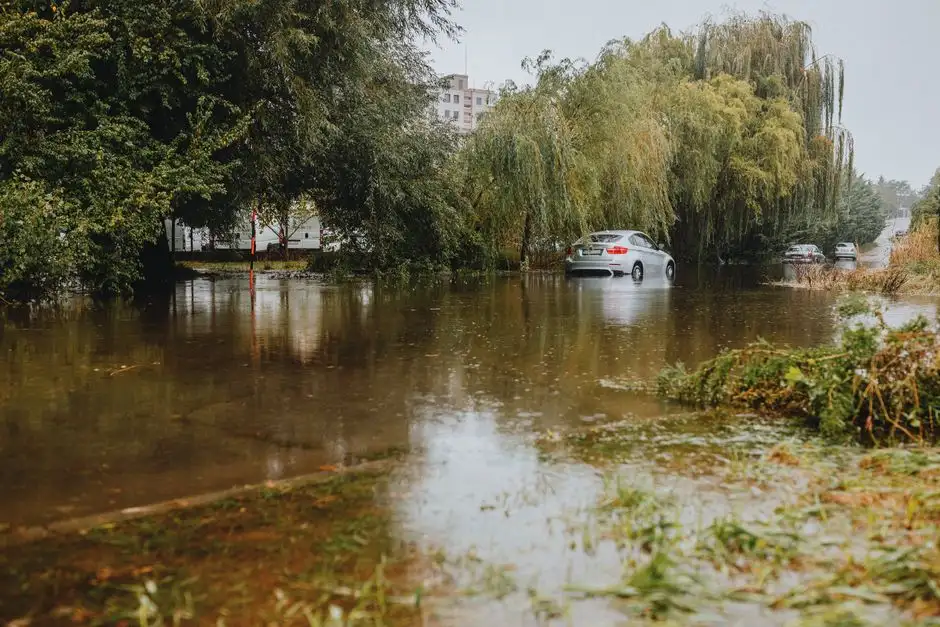
Your Winnetka basement is flooding after heavy rain because the ground is already saturated and the storm sewer system is overwhelmed, so water takes the path of least resistance - through your foundation walls, floor cracks, or backed-up floor drains. This is not a sign that your home is falling apart; it is a sign that the water table has risen above your basement floor and found a way in. Below, we break down exactly how that happens in Winnetka, what you can do in the first hour, the mistakes that make it worse, and when it is time to call in a professional.
The short answer: Winnetka's soil and storm drainage
Winnetka sits on a mix of clay-heavy soil and older storm infrastructure, and that combination is why basements here flood after storms that drop more than an inch of rain in an hour. Clay soil absorbs water slowly. Once it is saturated, every additional gallon runs along the surface or pushes against your foundation. At the same time, the village's storm sewers - many of them original to neighborhoods built in the 1920s and 1930s - can only handle so much volume. When the system backs up, water has nowhere to go but into the lowest point of your home.
We see this pattern every spring and fall. A fast-moving storm dumps 1.5 to 2 inches in 45 minutes, the street gutters fill, and by the time the rain stops, homeowners are calling us about standing water in the basement. The good news: most of these floods are manageable if you act quickly. The bad news: ignoring even an inch of water for 24 hours can lead to mold, ruined drywall, and a repair bill in the thousands.
How water actually gets into your Winnetka basement
Water enters a Winnetka basement through five common paths, and knowing which one is yours determines the fix. Here is what we find on nearly every call:
- Hydrostatic pressure through the floor: When the water table rises above your basement slab, water pushes up through cracks and the cove joint where the floor meets the wall. This is the most common cause after a sustained rain.
- Foundation wall cracks: Hairline cracks in poured concrete or mortar joints in block walls let water seep in under pressure. You may see a damp stain or a thin stream.
- Window wells and stairwells: If the well fills faster than it drains, water pours over the sill. A clogged drain at the bottom of the well makes this worse.
- Backed-up floor drain: When the municipal storm sewer surcharges, water reverses through your floor drain. This is a sure sign the problem is outside your home, not just inside.
- Sump pump failure: A pump that is undersized, clogged, or without a battery backup will quit during the exact storm you need it most.
If you see water coming up through the floor rather than running down a wall, that is hydrostatic pressure. If it is pouring in over a window well, the fix is exterior drainage. Each cause has a different solution, and guessing wrong wastes time and money.
Why Winnetka's older homes are hit hardest
Winnetka has a high concentration of homes built before 1960, and those homes were not designed for the rainfall intensity we see today. Original foundation drains - if they exist at all - are often clay tile that has collapsed or filled with roots. Many basements were finished decades later without a proper waterproofing membrane or interior drainage system. Add in mature trees whose roots invade sewer laterals, and you have a recipe for repeat flooding.
We recently worked on a 1940s colonial in Water Damage Restoration in Hubbard Woods where the homeowner had flooded three times in two years. The culprit was a collapsed clay footer drain that was allowing groundwater to pool against the foundation. Once we installed a new interior drainage system and sump pump, the basement stayed dry through the next 2-inch storm.
If your home is in an older part of the village, it is worth having a professional inspect your foundation drainage before the next rainy season. A camera inspection of your sewer lateral costs $250 to $450 in 2026 and can reveal root intrusion or a collapsed pipe before it becomes an emergency.
What to do in the first hour of a basement flood
The first 60 minutes after you notice water in your basement determine how much damage you will ultimately face. Here is the sequence we recommend to every homeowner:
- Safety first. If water is near electrical outlets, a fuse box, or appliances, do not step in it. Turn off power at the breaker if you can do so from a dry location. If not, call an electrician or wait for us.
- Stop the source if possible. If the water is coming from a burst pipe, shut off the main water valve. If it is from outside, there is little you can do but wait for the rain to stop and the water table to drop.
- Document everything. Take photos and video of the water level, damaged items, and any visible cracks. Your insurance adjuster will want this.
- Move valuables up. Get boxes, electronics, and furniture off the floor. Even 2 inches of water can wick up into upholstery and cardboard.
- Start removing water. A wet/dry shop vac can handle small amounts. For anything more than an inch across a large area, you need professional water extraction in Winnetka - household vacuums will not keep up.
Do not wait for the water to recede on its own. The longer it sits, the more it soaks into drywall, insulation, and framing. Mold can begin growing in as little as 24 to 48 hours.
Common mistakes that make basement flooding worse
We see the same costly errors over and over when homeowners try to handle a flooded basement alone. Avoid these:
- Assuming it will dry on its own. Concrete and drywall hold moisture for weeks. Without dehumidification and air movers, you are inviting mold.
- Using a shop vac for a large flood. A shop vac holds 5 to 10 gallons. A flooded basement can hold hundreds. You will burn out the motor and still have standing water.
- Not checking for hidden moisture. Water wicks up behind baseboards and under flooring. A moisture meter - not your hand - tells you what is actually dry.
- Ignoring the exterior. If your gutters dump water next to the foundation, you are recycling the same problem. Extend downspouts at least 6 feet away.
- Restarting the sump pump without checking it. A pump that ran continuously during the storm may have debris in the impeller. Test it in a bucket of water before the next rain.
One more mistake: waiting to call your insurance company. Most policies require you to mitigate damage promptly. If you let water sit for a week, the adjuster may reduce your payout. Call your insurer the same day, and call us if you need help with water damage mitigation in Winnetka to stop the damage from spreading.
When to call a professional
You should call a professional when the water is more than a half-inch deep, when it has been sitting for more than a few hours, or when you see any sign of mold. Those are the three triggers. If you are not sure, call anyway - a phone consultation costs nothing, and we can tell you in two minutes whether you need us.
Water Damage Restoration Winnetka handles everything from a damp corner to a full basement flood. We start by finding the source, then we extract the water, dry the space with commercial-grade equipment, and treat for mold if needed. We also work directly with your insurance company to document the damage and justify the claim. If you are dealing with a flooded basement right now, do not wait. The sooner we get the water out, the less you will spend on repairs.
Frequently Asked Questions
How long does it take to dry out a flooded basement?
Most basements take 3 to 5 days to dry completely with professional equipment. If the walls are drywall and insulation got wet, we may need to remove and replace those materials, which adds 1 to 2 days. We monitor moisture daily and do not stop until readings are normal.
Will my homeowners insurance cover basement flooding from rain?
It depends on your policy. Standard policies often exclude flood damage from surface water, but many Winnetka homeowners have added a rider or a separate flood policy. We can help you document the damage and provide a detailed report for your adjuster.
Can I just let my basement dry out on its own?
No. Concrete and wood release moisture slowly, and mold can start within 24 to 48 hours. Without air movers and dehumidifiers, you risk structural rot and air quality problems. Even a small flood needs professional drying.
Why does my basement flood only after heavy rain, not light rain?
Light rain soaks into the soil. Heavy rain saturates the ground and overwhelms storm sewers, raising the water table above your basement floor. That is when hydrostatic pressure pushes water through cracks and floor drains. The fix is usually exterior drainage or an interior system.
How much does basement flood cleanup cost in Winnetka?
Typical 2026 pricing for a small basement (under 500 sq ft) starts around $1,800 to $3,500 for extraction and drying. Larger spaces or those with mold can run $5,000 to $12,000. We provide a written estimate before we start, and we work with your insurance to minimize your out-of-pocket cost.
Get help with Water Damage Restoration in Winnetka
If your basement is flooded right now, do not wait for it to get worse. Our team at Water Damage Restoration is available 24/7 to extract water, dry your basement, and prevent mold. We serve every neighborhood in Winnetka, from Water Damage Restoration in Downtown Winnetka to the outlying areas.
Call us at (833) 321-7153 for immediate help. We will ask a few questions, give you a straight answer, and dispatch a crew if you need one. The sooner you call, the less damage you will face.